
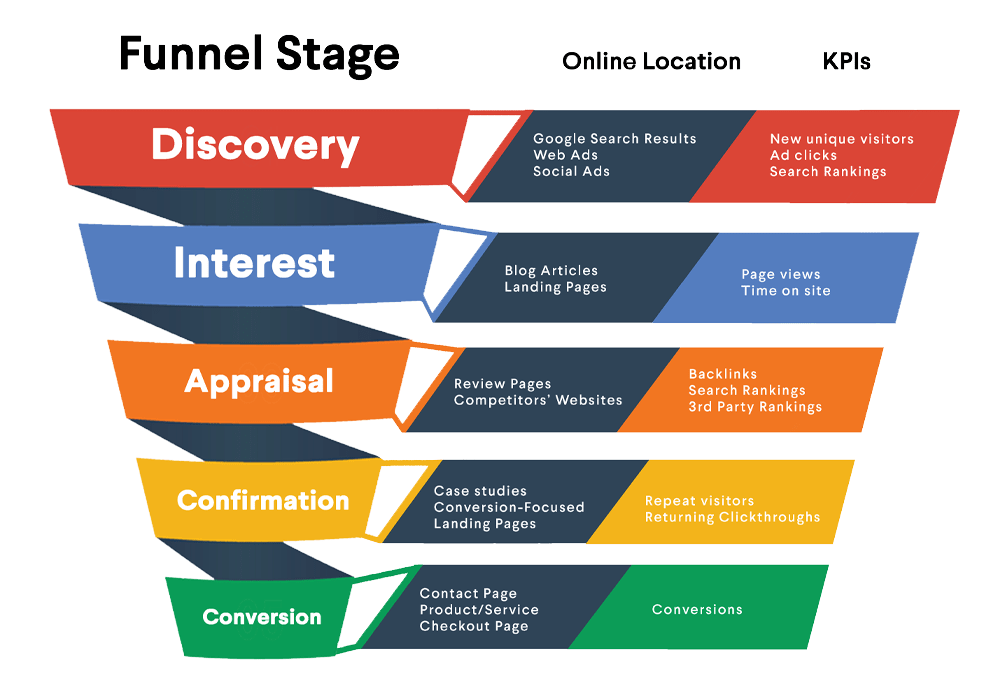
In 2026, performance marketing is no longer about generating traffic—it is about generating measurable business outcomes. Brands that continue to optimize for clicks without understanding conversion behavior will face rising costs and declining ROI. Performance marketing today is outcome-driven, data-centric, and deeply integrated with user experience.
The first step in effective performance marketing is intent-based targeting. Not all traffic has equal value. Search queries, social audiences, and display placements must be segmented based on buyer readiness. High-intent users require direct response messaging, while early-stage users require nurturing. Aligning messaging with intent dramatically improves conversion rates.
Landing page optimization is the second critical pillar. A strong ad can fail if it directs users to a poorly optimized page. High-performing landing pages in 2026 are fast, mobile-first, distraction-free, and designed around a single conversion goal. Headlines must immediately communicate value, while CTAs must be specific and benefit-driven.
Conversion rate optimization (CRO) is no longer optional. Continuous A/B testing of headlines, layouts, form lengths, and trust signals enables incremental gains that compound over time. Even a 1–2% improvement in conversion rate can significantly reduce acquisition costs.
Attribution modeling has also evolved. Single-touch attribution is outdated. Modern performance strategies rely on multi-touch attribution, which recognizes the role of SEO, paid ads, remarketing, and email in a single conversion journey. Brands that understand assisted conversions allocate budgets more intelligently.
Automation and AI now play a major role. Smart bidding, predictive audience targeting, and real-time budget reallocation improve efficiency. However, automation must be guided by strategy. Without proper tracking and goals, automation can amplify inefficiencies.
Finally, performance marketing success is measured by profitability, not volume. Metrics such as CAC, ROAS, and lifetime value determine scalability. Businesses that continuously optimize toward profit-centric KPIs will outperform competitors chasing surface-level metrics.