

Website Optimization for Maximum Lead Generation in 2026
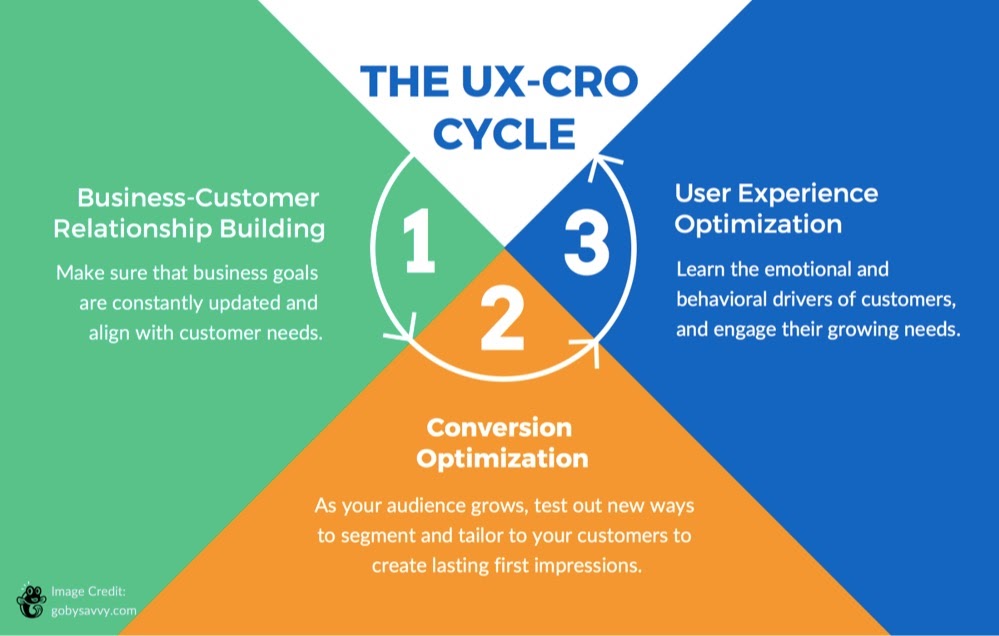
In 2026, a website is no longer a passive digital presence—it is the central engine of lead generation. Businesses that invest heavily in traffic acquisition but neglect website optimization often experience poor conversion rates and inflated customer acquisition costs. True digital growth begins when a website is engineered to convert intent into action.
The first pillar of website optimization is message clarity. Visitors form an opinion within seconds of landing on a page. If they cannot immediately understand what the business offers, who it serves, and why it is different, they leave. High-converting websites present a clear value proposition above the fold, supported by concise subheadings and focused CTAs.
User experience (UX) is the second critical factor. In 2026, users expect speed, simplicity, and intuitive navigation. Pages that take more than three seconds to load lose significant conversion potential. Mobile-first design is mandatory, as most users interact with websites via smartphones. Navigation should guide users logically toward conversion points, not overwhelm them with choices.
Conversion-focused design elements play a decisive role. Forms should be short, purposeful, and aligned with intent. CTAs must be specific and action-oriented rather than generic. Visual hierarchy should naturally guide users toward the next step, whether it is booking a call, requesting a quote, or downloading a resource.
Trust is a major conversion driver. Testimonials, case studies, client logos, certifications, and transparent policies reduce friction and hesitation. In competitive industries, trust elements often make the difference between a bounced visitor and a qualified lead.
Data-driven optimization separates average websites from high-performing ones. Heatmaps, scroll tracking, and session recordings reveal how users interact with content. These insights help identify drop-off points and optimization opportunities. Continuous A/B testing ensures that decisions are based on performance, not assumptions.
Finally, website optimization is an ongoing process. User behavior evolves, competition increases, and technology changes. Businesses that continuously refine their websites achieve compounding improvements in lead generation and ROI.