
The digital economy in 2026 is defined by saturation, speed, and sophistication. Small and mid-size businesses (SMBs) no longer compete only with local players; they compete with national brands, global marketplaces, and AI-powered competitors. To scale sustainably, businesses need a structured digital marketing roadmap that aligns strategy, execution, and measurement.
The first pillar of a 2026 roadmap is clarity of objectives. Growth today must be mapped across awareness, acquisition, conversion, and retention. Businesses that attempt to “do everything” across channels often dilute budgets and results. Instead, high-performing brands define clear quarterly KPIs—qualified leads, CAC, ROAS, organic visibility, and lifetime value.
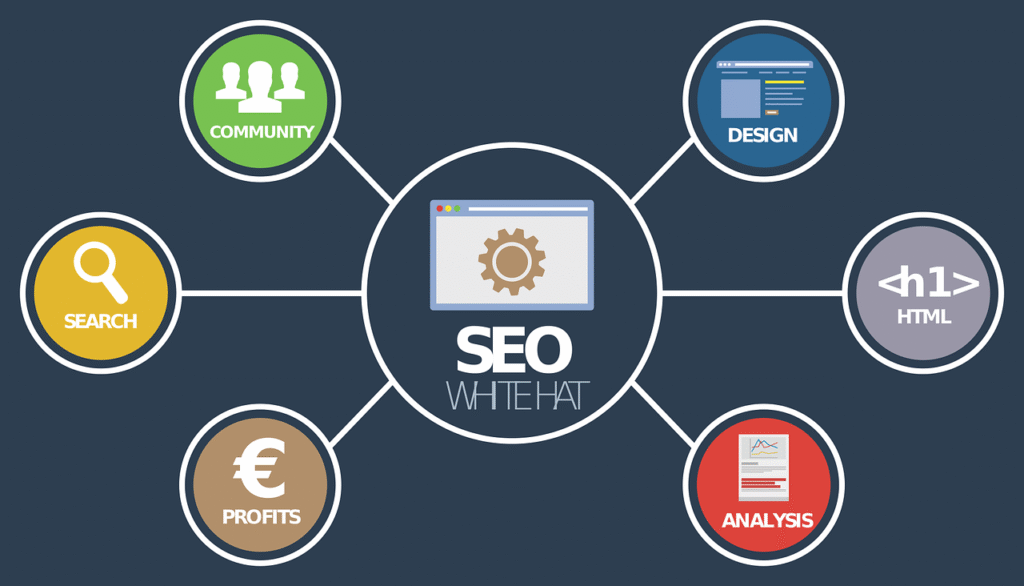
Next comes channel prioritization. SEO remains a compounding asset, especially for intent-driven industries. However, SEO alone is insufficient. Paid media, social distribution, and email automation must work together. The winning formula in 2026 is not channel presence, but channel integration—where SEO content fuels remarketing, paid traffic supports organic testing, and CRM data refines targeting.
The third element is website performance optimization. Your website is no longer a brochure; it is a conversion engine. Page speed, UX clarity, mobile responsiveness, and CRO elements directly influence marketing ROI. Businesses that redesign landing pages around user intent consistently outperform those that rely on traffic volume alone.
Data and analytics form the backbone of scalable marketing. SMBs must move beyond vanity metrics and adopt dashboards that track revenue attribution. Knowing which keyword, ad set, or landing page generates profit—not just traffic—is critical. In 2026, decisions without data are liabilities.
Automation is another non-negotiable. AI-assisted bidding, automated email flows, chatbot lead qualification, and predictive analytics reduce human dependency while increasing precision. Businesses that fail to automate will struggle to compete on speed and cost.
Finally, brand trust differentiates long-term winners. With rising ad fatigue and consumer skepticism, authority content, case studies, reviews, and transparent communication drive conversions. Marketing is no longer about persuasion alone; it is about credibility.
A 2026 digital roadmap is not static. It evolves quarterly, guided by data and market signals. SMBs that adopt a structured, ROI-first roadmap will not just survive hyper-competition—they will scale confidently.